The haiku originates from Japan and is a poem of seventeen syllables, laid out in three lines of five seven and five, that uses sensory language to capture a feeling or an image. A haiku is traditionally inspired by an element of nature, a moment of beauty, or another poignant experience; however, in more recent times haikus have developed in various ways and can be written on many themes – some are even humorous. An important element of the traditional Japanese haiku is something known as ‘cutting’: the juxtaposition of two images or ideas with a ‘cutting word’ between them, which signals the moment of separation of the images/ideas while also linking them. Some people are of the opinion that the juxtaposed images should convey everyday objects or events and typically do not use metaphor or simile. Haikus don’t have to rhyme, but some poets rhyme lines 1 and 3, or 2 and 3. Some more recent haikus do not adhere to the seventeen syllables but keep the three-line structure.
Examples of the three line structure of 5 – 7 – 5:
Insomnia Haiku
Clock hands crawl tick creep 5 syllables
First light steals in through window 7 syllables
Nights deprived of sleep 5 syllables
Haiku to my Cats
Jewel-eyed felines,
Haughty stalkers, yowl and purr,
Gently knead my heart.
Schizo Writer Haiku
I split into three:
Observer, critic and scribe
Talk among themselves
Monday Morning Haiku
Soundtrack of birdsong
Pink blossom still falls like snow
Week full of promise
Examples of rhyming haikus:
Cherubs in a Pond
Orbiting in space
Gemini lit in marble
Two moons face to face
Winding Stairs Haiku
Timeworn and sculpted,
Smoothed by endless soles of feet,
Cool in summer’s heat
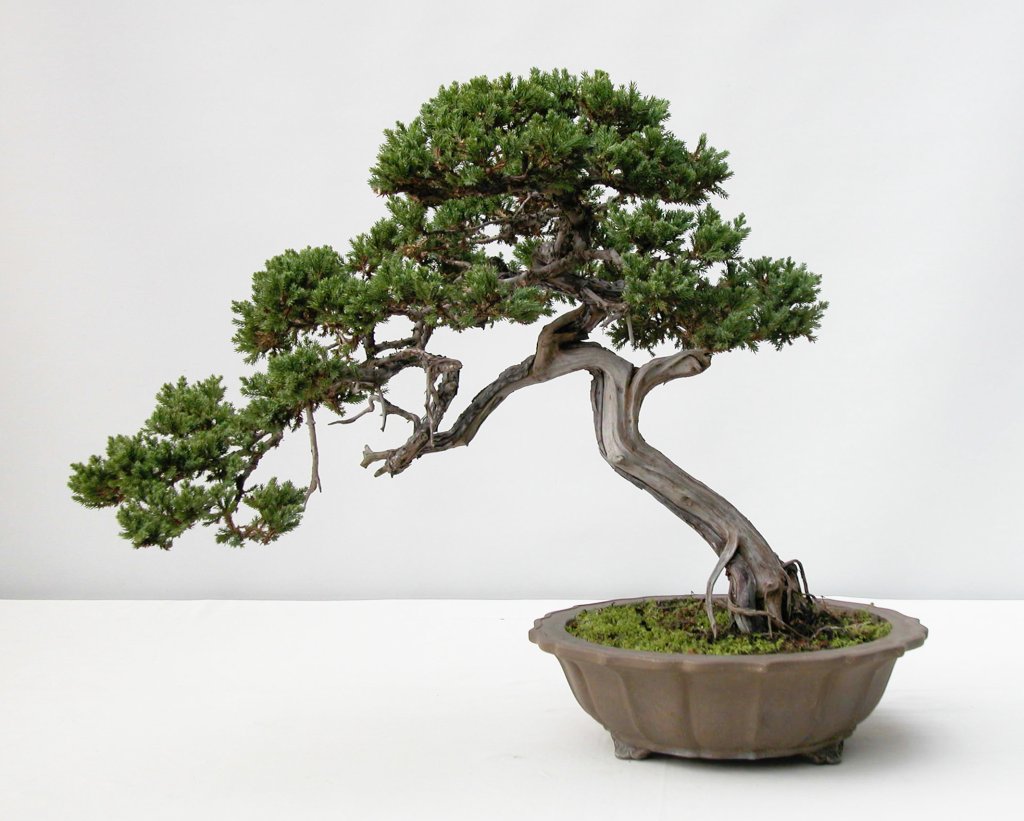
A haiku is similar to a Bonsai tree: small, self-contained and perfect.
 writing in north norfolk