hushed tones of mantra
echoing in the temple
truth gift-wrapped in sound
Kim M. Russell, 2017
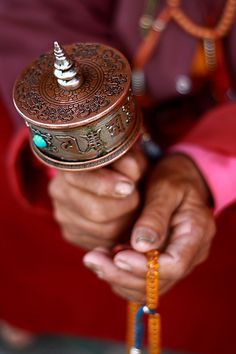
Image found on Pinterest
My response to Carpe Diem #1200 Om Mani Padme Hum
Continuing with the theme of Tibet, Chèvrefeuille explores the meaning of Om Mani Padme Hum and shares some of the background of a mantra known all over the world. He tells us that Tibetan Buddhists believe that saying it out loud or silently to oneself invokes the powerful benevolent attention and blessings of Chenrezig, the embodiment of compassion. Viewing the written form of the mantra is said to have the same effect, and it is often carved into stones and placed where people can see them. Spinning the written form of the mantra around in a Mani wheel (or prayer wheel )is also believed to give the same benefit as saying the mantra, and Mani wheels, small hand wheels and large wheels with millions of copies of the mantra inside, can be found everywhere in lands influenced by Tibetan Buddhism.
It is said that all the teachings of the Buddha are contained in this mantra: Om Mani Padme Hum cannot really be translated into a simple phrase or sentence. It originated in India and, as it moved from India into Tibet, the pronunciation changed because some of the sounds in the Indian Sanskrit language were hard for Tibetans to pronounce. Chèvrefeuille that if this mantra is said right from your heart it doesn’t matter how you pronounce it, because it’s not about the pronunciation, it’s about the truth hidden in it.
 writing in north norfolk
Wonderful ! Simply love it !!!
LikeLiked by 1 person
Thank you so much, Milan!
LikeLiked by 1 person
A beauty Kim
LikeLiked by 1 person
Thank you, Kristjaan!
LikeLiked by 1 person
Brava.. 🌹🌹🌹😎
LikeLiked by 1 person
🙂
LikeLike