My husband and I have been to Vienna numerous times. It’s a home from home. We know our way around, where we like to eat and drink, and the places we love to visit. We had been on a boat trip around the city but not on the main stretch of the Danube – which is why, on one of the most recent visits, we decided to take a boat trip to Bratislava, the capital of Slovakia.
It was a sunny day, the boat wasn’t crowded, and we waved to the Viennese who took advantage of the weather to fish or relax in their weekend cottages and shacks along the banks of the river. We watched the waves crest, water fowl follow in our wake, and listened to a nocturne being played as it caught the breeze.
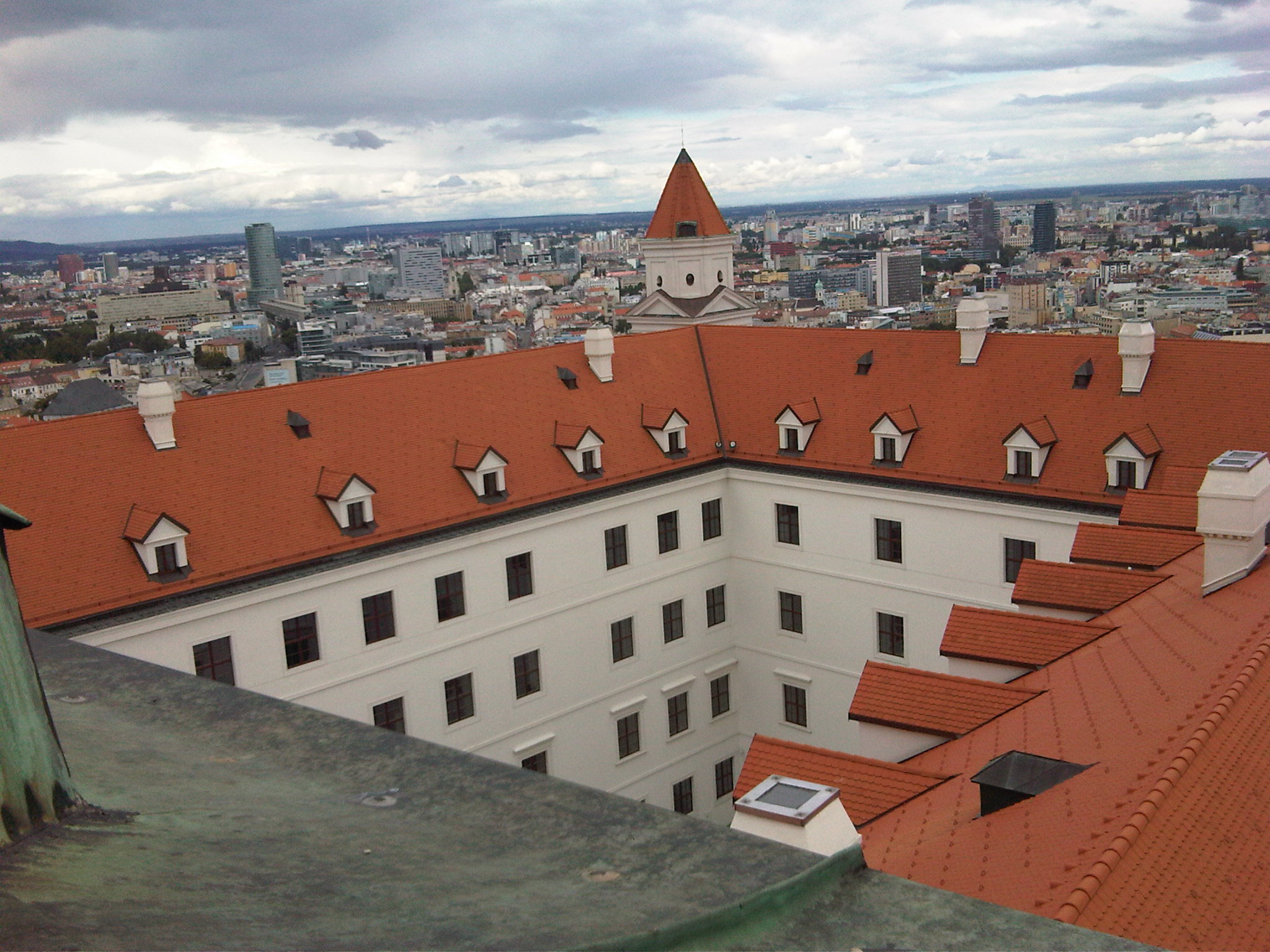
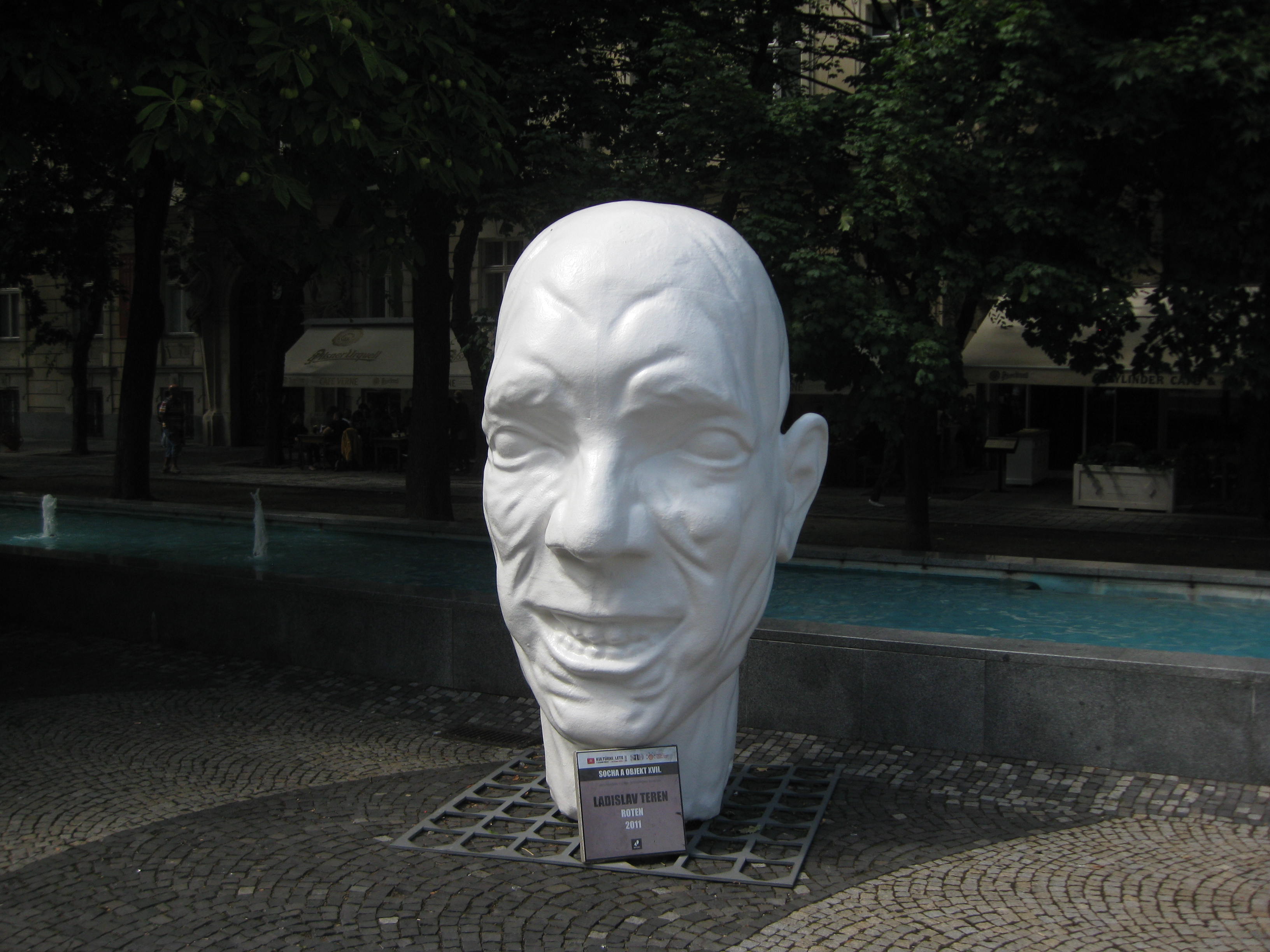
And suddenly, on a bend in the river, we were there. Bratislava old town dates back to the 18th century, is pedestrianised, and full of quaint and colourful bars and cafés. The architecture took our breath away, with Art Nouveau side by side with Brutalism. We went to the castle, did a bit of shopping, explored the quirky sculptures that popped up all over the place, and even watched a wedding party have their photos taken in front of a church. Being a small city, it didn’t take us long to get around and we were at the boat in time for the trip back to Vienna.
piano notes tumble
peace of river’s ebb and flow
bright gem round the bend
Kim M. Russell, 31st March 2025
It’s Haibun Monday and, over at the dVerse Poets Pub, Merril has recapped briefly the history of the haibun and pointed us in the direction of an interesting essay about writing them. I like the questions asked, for example, how can a poem situate itself without being fully entrenched, and how can one make the reader travel without getting lost?
The answers are enlightening. For example, the idea that the haiku “usually ends the poem as a sort of whispery and insightful postscript to the prose of the beginning of the poem”, and “thinking of haibun as highly focused testimony or recollection of a journey”. I can understand why this essay led to a haibun called ‘Time Traveler’s Haibun: 1989’ by Maureen Thorson.
Merril says that our haibun do not have to resemble Thorson’s, but she asks us to do some time travelling of our own by writing about our own pasts, imagining our futures, inventing an entirely fictional time-travel tale, or doing something in-between. She has added an optional challenge of paint chip names to use like random words and use them for inspiration; we can include the words in our poems, or just ignore them!
 writing in north norfolk
It sounds wonderful to go along the river like that… and the wonder of a real small town with all that mix.
LikeLiked by 1 person
It was a relaxing trip and Bratislava was unique and very pretty.
LikeLike
You have made this trip to Bratislava so vivid that I felt–almost–like I was there with you, but felt a little envious that I wasn’t. 😊
I love the piano notes tumble in your haiku–I know exactly what you mean. Beautiful!
LikeLiked by 1 person
Thank you so much, Merril!
LikeLiked by 1 person
You’re very welcome, Kim!
LikeLiked by 1 person
Nice one.
lt must be lovely to wsnt to and get to visit such a romantic place, with its art and architecture.
much♡love
LikeLiked by 1 person
Thank you, Gillena, Much love for the beginning of April.
LikeLike
I felt like I traveled through your words, Kim. What a stunning view.
LikeLiked by 1 person
Thank you, Colleen!
LikeLiked by 1 person
You’re welcome, Kim.
LikeLike
What a wonderful day trip! I’m so jealous that Vienna is your home from home though you’ve painted a beautiful picture of this trip for us to come along with you.
LikeLiked by 1 person
Thank you, Cris. I’m pleased you joined me on the trip down memory lane.
LikeLike
I love your wonderful flashback story, Kim. Sounds like you had a very relaxing cruse up and back.
LikeLiked by 1 person
Thank you very much, Dwight.
LikeLiked by 1 person
You are welcome!
LikeLiked by 1 person
Thank you! I was right there with you, through your descriptive write.
LikeLiked by 1 person
I’m so glad you came along for the ride!
LikeLiked by 1 person
Thank you for letting us time travel with you. I could see it all so clearly.
LikeLiked by 1 person
Thank you for travelling with me, Truedessa!
LikeLike
Thank you, thank you for plucking me from the dredges of gray skies and a bit of snow today .. allowing me to travel with the two of you. Enchanting.
LikeLiked by 1 person
Thank you for coming along, Helen.
LikeLike
A haībun about wandering, in the best of traditions…I must admit you have a much better eye than I do for Bratislava!
LikeLiked by 1 person
Thanks Ain. It was quite a few years ago. I prefer to stay safely at home now.
LikeLiked by 1 person
You have painted such a beautiful scenario with words. I love the imagery.
LikeLiked by 1 person
Thank you, Stacy!
LikeLike
Beautifully written, Kim! I felt like I was there with you.
Yvette M Calleiro 🙂
http://yvettemcalleiro.blogspot.com
LikeLiked by 1 person
Thank you for coming along, Yvette,
LikeLiked by 1 person
Your haibun took me there, and left me wanting that trip, a time when events and processes were less immediate and pressing.
LikeLiked by 1 person
Thanks for coming along for the ride, Paul.
LikeLiked by 1 person
So loved it Kim ❤️
LikeLiked by 1 person
Thanks Paul!
LikeLiked by 1 person
Very welcome Kim
LikeLiked by 1 person
What a wonderful trip, beautifully described here, Kim.
LikeLiked by 1 person
Thank you kindly, Sara.
LikeLike
It is easy to miss how close Bratislava really is when visiting Vienna. 🙂 The difference between the two capitals are striking and quite fascinating. 🙂
LikeLiked by 1 person
I agree.
LikeLiked by 1 person