Etymology #3
Twinkle is a shiny word
A sparkling, glittering, winking verb
A two-syllabic, iambic light
Constantly changing from faint to bright
Having a friendly or happy face
Moving lightly from place to place
Glinting and flickering in a dance
Stars like diamonds in the distance
Its origins are in the Germanic tongue
Developed in Old English twinkelian
Repeated in a nursery rhyme
Twinkle hasn’t dulled with time
Twinkle, twinkle little star
How I wonder what you are.
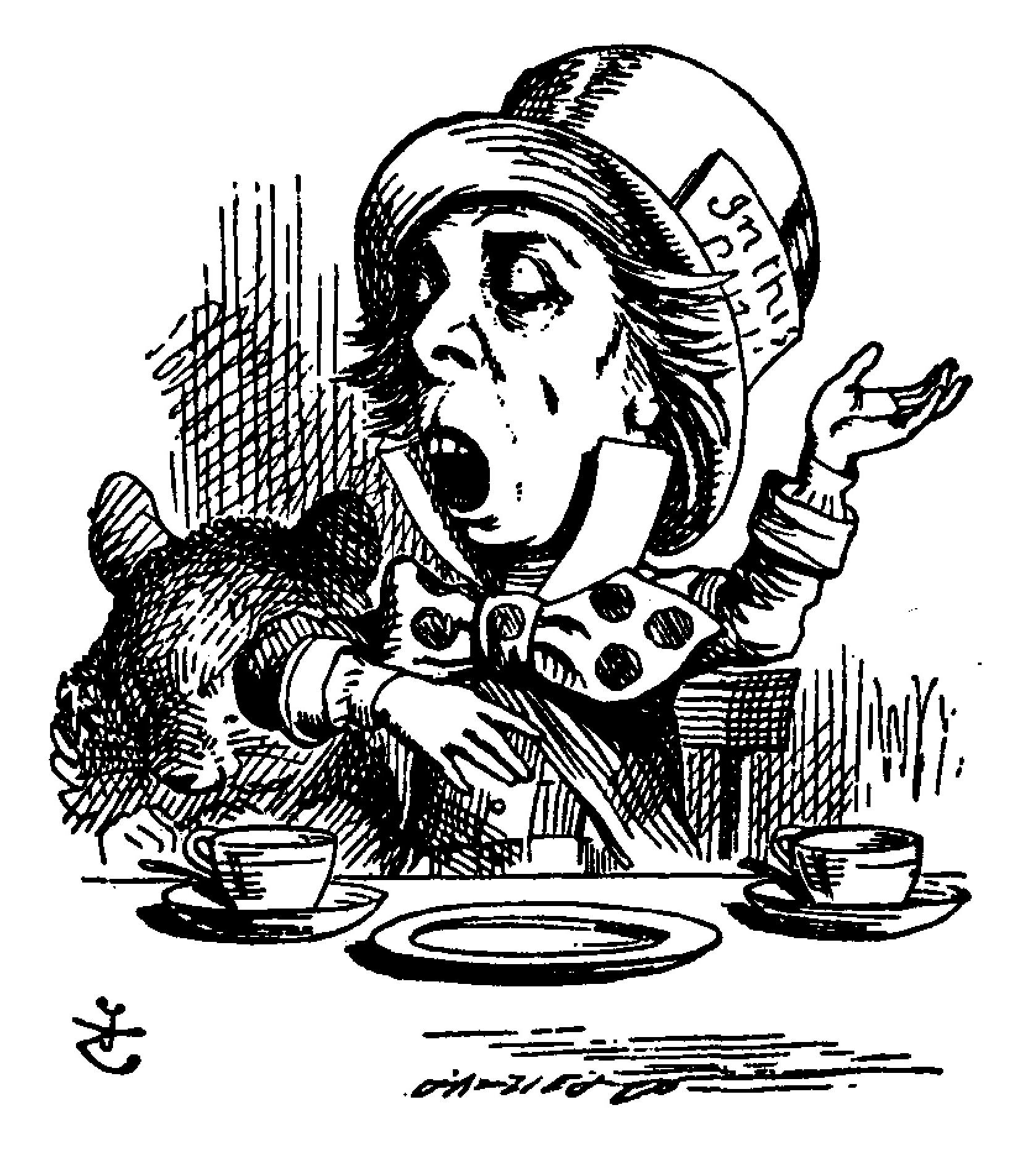
‘Twinkle, Twinkle, Little Star’ is a popular English nursery rhyme or lullaby, which children at the Bounce and Rhyme sessions love. The words are from an early 19th-century English poem by Jane Taylor, ‘The Star’. The poem, which is in couplet form, was first published in 1806 in Rhymes for the Nursery. It is sung to the tune of the French melody Ah! vous dirai-je, maman, which was published in 1761 and later arranged by several composers including Mozart. The English version has six stanzas, although only the first is widely known. Lewis Carroll parodied it in Alice in Wonderland, in which the Mad Hatter recites:
Twinkle, twinkle, little bat!
How I wonder what you’re at!
Up above the world you fly,
Like a tea tray in the sky.
Twinkle, twinkle, little bat!
How I wonder what you’re at!
 writing in north norfolk
Wow ! Nice to know that Twinkle has its origin in Germany . Lovely poem with so many twinkles. 🙂
LikeLiked by 1 person