Neat and tidy, they played together,
pouring invisible tea from a tiny teapot,
serving imaginary sandwiches to dolls.
I sit on the staircase of memory, dig
deep into the toybox of the past and pull out
books and a snot-filled tissue of lies.
My sisters’ childhood was free of tears and worry.
They never saw my mother’s bloody nose, never
came home to a locked door, her on the floor.
I found comfort in Nanny’s cuddles, pastries,
crumpets and hot chocolate, radio plays,
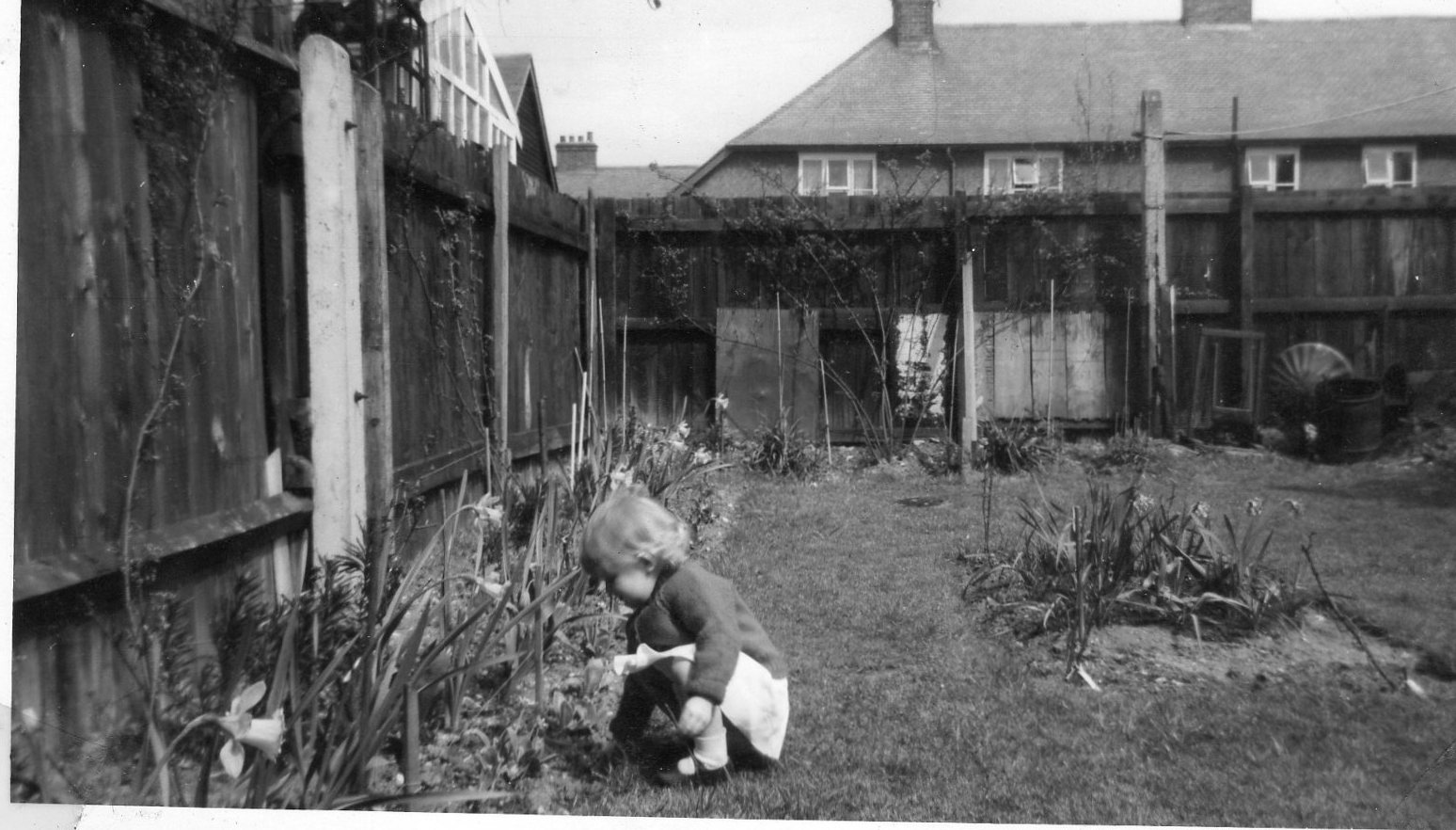
and summer days running muddy through
a garden hose, Grandad pruning his favourite rose,
its scent sweet and redolent, a budding poem
waiting patiently for me to write it.
Kim M. Russell, 2nd April 2026
On Day 2 of NaPoWriMo 2026, our optional prompt is based on a poem by Ellen Bryant Voigt, ‘Pittsylvania County’, in which the poet writes about watching her father and brother play catch, “with sensory detail and a strangely foreboding sense of inevitability”, as she is outside of the scene and cut off from them. “She’s not so much jealous of the interaction between her father and brother, as filled with a pervading sense that she wants something more or different from life than what the moment seems to presage.”
Our challenge is to write poems in which we recount a childhood memory, incorporating a sense of how that experience indicated, even then, something about the people we’d grow up to be – a tricky one.
 writing in north norfolk
The pivotal verse is harrowing…”I sit on the staircase of memory” is a nice evocative expression though. That might get borrowed sometime 👍 Nicely written Kim though I understand why it was difficult.
LikeLiked by 1 person
Thanks so much, Shaun.
LikeLike
Wow, Kim! This is stunning! All the sensory details of memory, truth and lies. I especially like the second stanza and the final one.
LikeLike
Kim,
I can see where our poems meet, and where they part.
Yours moves through the divide of what was seen and what wasn’t. Then names it. That line, “They never saw…”, that’s the one that grabbed my attention. I knew it immediately. People living in the same house, but not hearing the same record. One carried forward, the other left to sit where it happened.
You let your experience open out into something that can still be lived in: the garden, the slow turn toward writing. That’s a path. It makes sense.
My poem doesn’t go that way. There’s no lift at the end, no release. Just a line crossed and everything since following after.
Different outcomes from similar ground. Both true. And there will be others who experience their own truths. It’s why these poems are necessary.
LikeLike