Do you have the aguante, the heart to fully give
to another human being?
You sense the friolento, the long-distance future,
stretching to the horizon,
and become a nagual, a holder of secrets
and longing for what is beyond.
And the cenzontle, a wise woman,
whispers encouragement in your ear:
‘Keep at it’, she says, ‘don’t give up.’
But you are tempted by the xoconostle,
a smooth apple calling to you
from a stranger’s orchard. You reach out to pluck it.
But will it be juicy and sweet
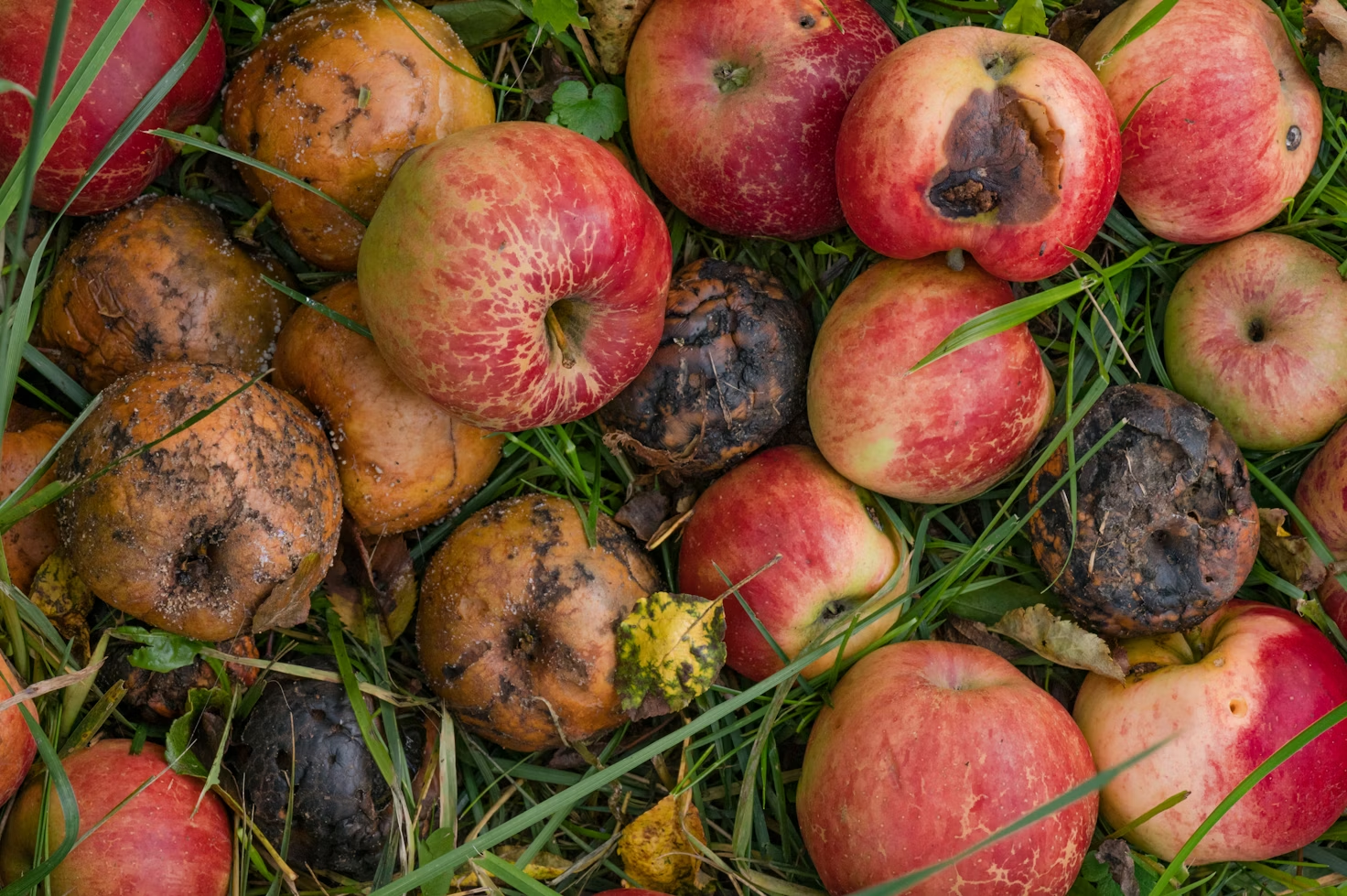
or desamor, rotten as the old fruit lying at your feet?
Kim M Russell, 13th May 2025
It’s Tuesday Poetics at the dVerse Poets Pub, and we have a Spanish word prompt from our host, Dora, who has introduced me to a new poet and a new type of poem.
She says that “every language has its unique musical lilt and flow contained even in a single word as [she] found while hearing a poem made up of English and Spanish words, written by Mexican American writer Sandra Cisneros. Dora has given us some background to Cisneros, who is best known for her novel, The House on Mango Street (1984).
In her poem, ‘I Have No Word in English For’, Cisneros lists twenty-five words dictionary-like but non-alphabetically, yet seemingly objectively, with the person in the poem painting each definition with a “keenly personal shade of meaning”. Dora has given an example of this to clarify.
Our challenge is to write poems on any theme, either incorporating one (or more) of the italicized Spanish words from the Cisneros poem in original poems, being sure to look them up to get objective definitions and compare them to Cisneros’s poeticism before trying them out on our own tongues; or use in our poems familiar words or phrases from a language other than English, which we feel express distinctively peculiar thoughts or emotions. Whichever option we choose, we must provide the meanings.
I chose:
Desamor heartbreak
Aguante endurance
Nagual sorceror, wizard or transforming witch / shape shifter
Cenzontle mockingbird
Friolenta/o sensitive to cold / cold-blooded
Xoconostle sour prickly pear cactus fruit
 writing in north norfolk
I love the way you used all those words, and how you summed it up with rotten fruit at your feet.
LikeLiked by 1 person
Thank you, Björn. I was tempted to use words from a language with which I’m more familiar, but then decided to take words from the Cisnero poem and try to emulate her poem. But the poem took a path of its own!
LikeLike
Absolutely devoured this, Kim! I love your use of the Spanish to induce a mystic mood, a calling at first toward becoming “a nagual, a holder of secrets/and longing for what is beyond,” then progressing towards a tale as old as time. Will it be different this time?
LikeLiked by 1 person
Thank you so much, Dora! I wasn’t sure if this poem would work.
LikeLiked by 1 person
You’re most welcome, Kim. I’m glad you took the risk!
LikeLiked by 1 person
who knows
Nice one Kim
much♡love
LikeLiked by 1 person
Esquitially woven! Bravo!
LikeLiked by 1 person
Thank you, Susan!
LikeLike
Well done! 👏🏾👏🏾
LikeLiked by 1 person
Thank you, Stew!
LikeLike
Nicely done, Kim. I like the way you defined your word with your words. A very nice weave!
LikeLiked by 1 person
Thank you, Dwight!
LikeLiked by 1 person
you are welcome!
LikeLiked by 1 person
Nice reinterpretation of these attributes into your own nuances of heart. Which is what translation is for, right?
LikeLiked by 1 person
Cheers Brendan.
LikeLike
Deftly done, Kim!
And yes, bottle trees are a thing in the southern US. When I lived in San Antonio, Texas is when I first saw them. They are said to trap wandering or negative spirits inside the glass.
LikeLiked by 1 person
Thank you, Shay! I like that idea – I’ll try it!
LikeLike
So many layers of language – and of soul – are here, Kim. I found your glosssary at the end very useful and your poem moved me. What occured to me was a possible etymological link between:
aguante and nagual
If agua means water, then perhaps endurance can have a flowing aspect to it, as also can that wise spirit-guardian. Maybe we women can swim in the vast ocean safely after all.
LikeLiked by 1 person
Thank you so much, Kathy, and I agree about the etymological link.
LikeLike
Your poem reminded me of Carlos Castenada with its Nagual, sense of brooding future and temptations of fruit, a great response to the prompt Kim…
LikeLiked by 1 person
I remember reading Castaneda in my late teens and twenties, Andrew. Thank you.
LikeLike
Me too…
LikeLiked by 1 person
Fantastic use of the words, Kim! Great poem!
Yvette M Calleiro 🙂
http://yvettemcalleiro.blogspot.com
LikeLiked by 1 person
Thanks Yvette!
LikeLiked by 1 person
What a beautiful layered write, Kim and those closing lines a perfect end.
LikeLiked by 1 person
Thanks so much, Punam!
LikeLike