From the classroom window
the spangled playground sparkled,
criss-crossed with blackbird braille,
a whirlissimo of fat flakes
as if blown from polar fur.
Come home time,
there were two or three
feet of snow and a magically
vanishing world as the vanilla storm
stole brown and green.
I was five years old, my mother
was at home nursing a sick toddler,
so the teacher told me to join
a group of older children, scarf
around my neck, mittens on hands.
I had to trust and follow,
feet sinking in the shovel-crusted snow –
until we crossed an untouched field.
Snowballs!
They came from all directions.
Big boys shoved ice-cold clumps
down my neck, stole my scarf
and mittens, laughed as tears rolled down
my cheeks and into my mouth, freezing
in Mistral despair as I realised I was alone.
Placing my feet in their deep tracks
until slush trickled into my boots,
I trudged home, where Mum found me
shivering, lips and fingers blue,
teeth chattering so hard I couldn’t say a word.
However beautiful the scene
outside the window, the memory remains
a blizzard of icicle fragments, a shivering
of flakes that shakes me like a snow globe
every time it snows.
Kim M. Russell, 20th January 2026
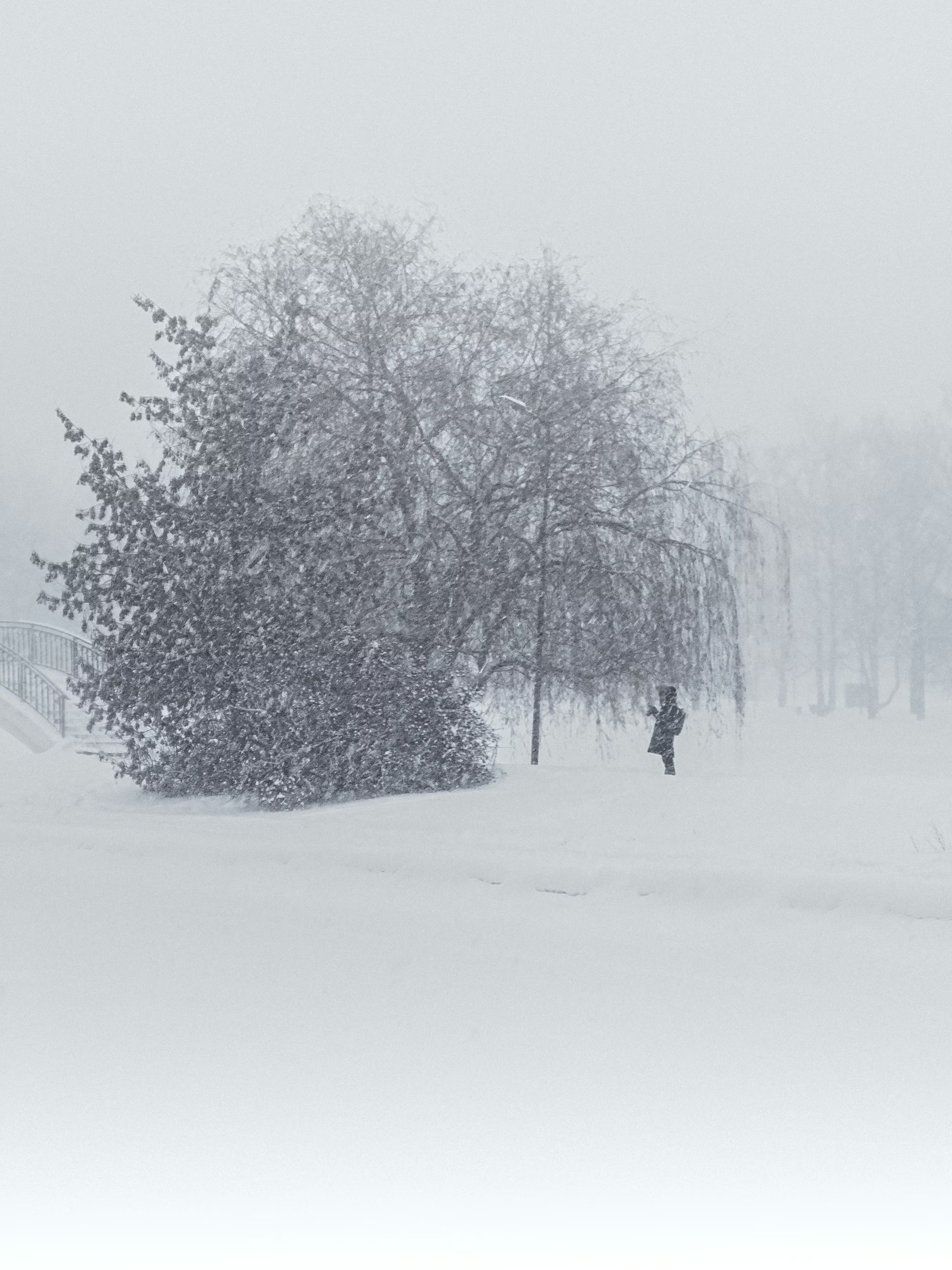
It’s Tuesday and I’m hosting this week’s Poetics at the dVerse Poets Pub with New Year snow.
As I mentioned in the prompt, back in the summer, I came across ‘New Year Snow’ by British poet Frances Horovitz. While it’s a very personal poem, its subject is familiar to those of us who live in the Northern hemisphere. One of the reasons I fell in love with this poem is that it reminded me of Sarah Connor: they were both British poets, their style of writing is eerily comparable, and they wrote about similar topics and themes. They also both died of cancer.
I love the way Horovitz evokes the feeling of a snowy landscape and sets it firmly in the New Year and then zooms in from the wideness of the valley to the ‘first five-pointed flake’ before delivering the snow in the four-line sentence ‘And then snow fell’. I also love the way the inclusive pronoun ‘we’ pulls us into the final scene, has us breathing ‘radiant air like men new-born’ and seeing the children rushing before us, the ‘crystal fields’ and ‘sun’s reflected rose’.
So, whether we live in a place where there is lots of snow or where there is never snow, whether we love it or hate it, we are writing about snow as we see, feel or imagine it.
I used some of Kate Bush’s 50 words for snow in my poem, which revisits my five-year-old self traumatised by snow.
 writing in north norfolk
What a terrible experience with snow… to be traumatized by such “play”.
LikeLiked by 2 people
It was, and now I really can’t cope with snow.
LikeLiked by 1 person
Oh, my heart this is poignant…. I can feel the tension in “feet sinking in the shovel-crusted snow.”
LikeLiked by 2 people
Thank you so much, Sanaa. It was traumatic remembering it all.
LikeLiked by 1 person
So sorry to hear of this trauma
“as the vanilla storm
stole brown and green”
🎇much love
LikeLiked by 2 people
Thank you, Gillena. Much love to you,
LikeLiked by 1 person
Kim, it’s no wonder you are terrified of snow after that!
LikeLiked by 2 people
I’m sorry the potential beauty of the phrase “whirlissimo of fat flakes” was ruined for you by those bullies!
LikeLiked by 3 people
Thank you, Lynn!
LikeLiked by 2 people
Beautifully related ugly memory. Great tale. Thanks, Kim.
LikeLiked by 2 people
Thank you, Ron!
LikeLiked by 1 person
Some memories linger because of the ordeal. Great poetic memory.
LikeLiked by 2 people
Thank you, Candy.
LikeLiked by 2 people
The worst kind of snowy trauma!! A young girl, older bully boys, freezing snow, peppered with snowballs … Truly, I am having a difficult time even imagining it. I sincerely hope writing about it is good therapy.
LikeLiked by 2 people
Thank you, Helen. Writing is great therapy.
LikeLiked by 2 people
That must have been a very traumatic experience for you at such a young age! One never forgets and experience like that. I can see why snow falling is very unsettling for you. Well done.
LikeLiked by 2 people
Thank you, Dwight.
LikeLiked by 2 people
You are welcome!
LikeLiked by 1 person
Great reference of being shaken like a snow globe. Sad that they took away the beauty of the snow that day.
LikeLiked by 2 people
Thank you very much, Truedessa.
LikeLiked by 1 person
I love the blackbird braille image – it is like the cookie crumbs in Hansel & Gretel…I am glad your mum found you – I had a similar experience in Brownies as a child! Jae
LikeLiked by 2 people
Thank you, Jae. Sadly, there will always be bullies.
LikeLiked by 1 person
I had a similar experience on my birthday one time when I was little. There was no snow but I was bullied and beaten by older kids. Those memories never go away.
LikeLiked by 2 people
Why are some children such bullies? I could never understand that. I’m so sorry you had to go through that.
LikeLiked by 1 person
Terrible actions of such a snowy memory. Well written Kim!
LikeLiked by 2 people
Thank you, Stew!
LikeLiked by 2 people
Snow globes are halls of memory, and you shake it so deeply we are all that child in wonder and misery trekking a frozen white terroir. Those “fat flakes” “as if blown from polar fur” are such a surprising metaphor and enticing entry for the poem. I miiss Sarah so.
LikeLiked by 2 people
Thank you, Brendan. I miss Sarah too. I keep coming across postcard poems she sent me from time time, in fact, we sent them to each other.
LikeLiked by 1 person
argh! Those bullies. Sorry that happened to you. Your retelling in this poem is beautiful. Thanks. Be well.
LikeLiked by 2 people
Thank you, Selma.
LikeLike
What a horrific experience Kim children can be so cruel
LikeLiked by 1 person
It was, Ange, and an experience I haven’t been able to forget.
LikeLike
I can well imagine that 🥰
LikeLiked by 1 person
It’s cold where I am reading, and you had me shivering from that first line one. Very commendable how well you conveyed your thoughts — and the cold!
LikeLiked by 1 person
Thank you so much!
LikeLike
Snow similiarly dredges up some bad experiences for me. So this poem definitely resonated with me. Great imagery!
LikeLiked by 1 person
Thank you.
LikeLike
Rich clear language and emotional honesty make this write easy to connect with and has me pondering my bullies and if there was anyone affected by any time I may have bullied too. Excellent 👏
LikeLiked by 1 person
Thank you very much, Shaun!
LikeLike
So skillfully written, Kim, a story that unfolds with promising magic that in the hands of bullies turns into the piercing pain of the wintry cold and senseless violence. The poem cuts to the core, that in the midst of “vanilla snow” that foreshadowing “polar bear’s fur” emerges with its teeth and claws leaving a child stricken, body and soul. So sorry that you had to endure this, and that it continues to haunt you so. As a child, I was taught to blame myself for such events as if I had brought it upon myself and so wrestled with shame as well. I hope you didn’t carry such a burden yourself, dear Kim.
LikeLiked by 1 person
Thank you so much, Dora. It happened at a difficult time, and I was very young, worried about my younger ‘s illness and my parents going through a bad patch. Not long after, I went to live with my grandparents again.
LikeLiked by 1 person